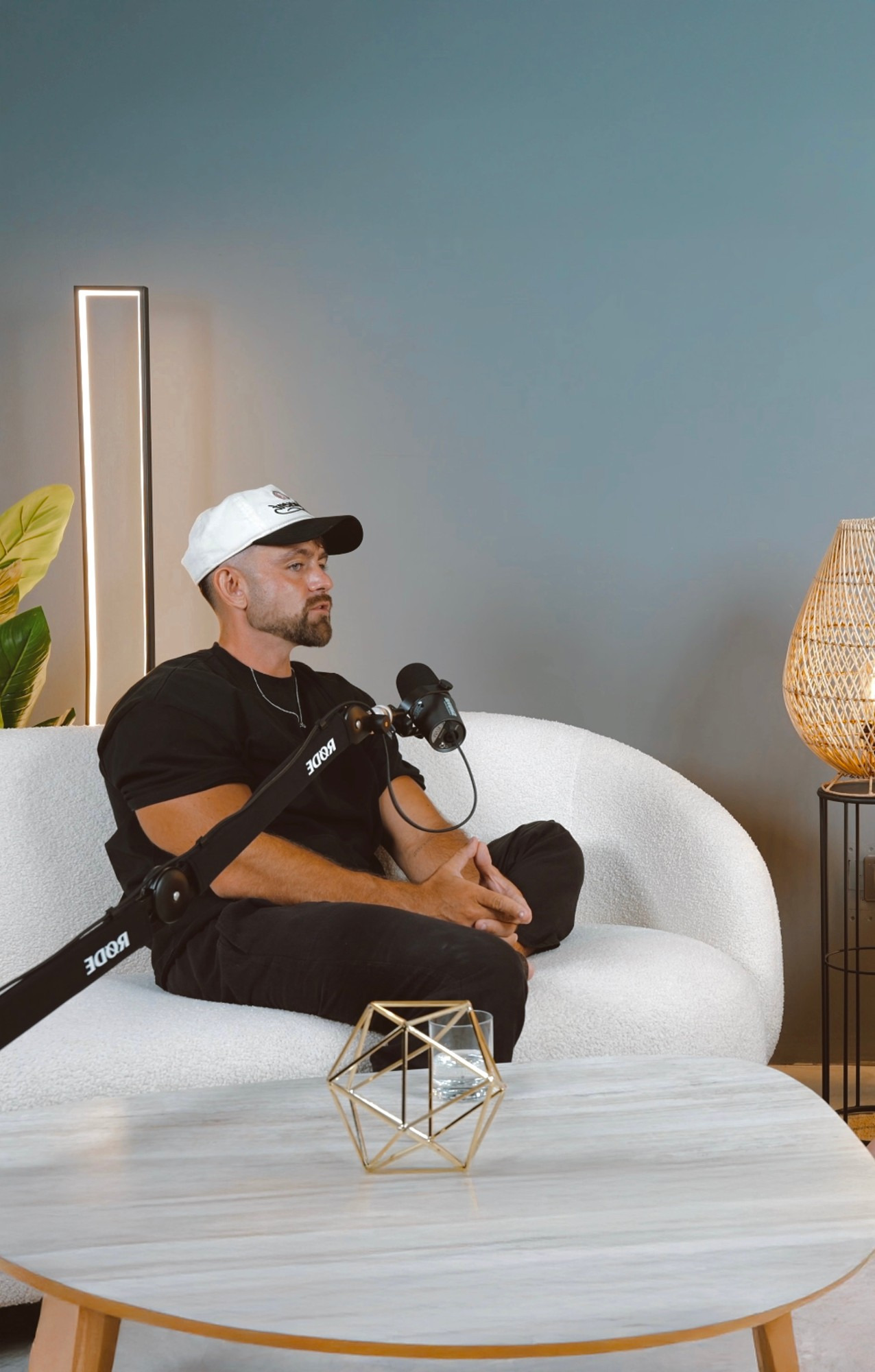
Meet Rick, founder of NAWAI know what it means to start again.
My name is Rick, and I’m the founder of NAWA. My story includes homelessness, an induced coma, and a stretch of my life when I couldn’t picture a future at all. Rebuilding began when I finally accepted help, and what came after is a big part of why I’m creating NAWA.
Homelessness, a coma and what came afterAt 24, I was fighting for my life.
At 24, I was in an induced coma, fighting for my life. By then I’d lost everything. I was homeless, and my family didn’t know what to do with me anymore. I don’t share that for effect. It’s just where I was, and I think it matters that you know.
People tend to imagine that waking up is the turning point. For me it wasn’t. Early sobriety meant rehab, and being in and out of meetings. I was so young, and I felt completely lost. There was fear, a lot of it, and a shame about where my life had gone that I carried everywhere. Some days I honestly didn’t know if I had a life ahead of me.
What changed wasn’t that I suddenly became more disciplined. I finally accepted help. I began to feel what I had spent years running from.
It wasn’t a single moment, and it wasn’t tidy. Rebuilding took time, and a lot of it was slow and uncomfortable. But accepting help was where it started, and I don’t think anything else would have worked without it.
How I rebuilt my life in recoveryRecovery was never only about stopping something.
Therapy has played an important part in my recovery over the years. Having somewhere to be honest, to look at what was underneath, and to work through it with people who understood it made a real difference. I didn’t have to have it all figured out. I just had to keep showing up and keep being honest.
Fitness and nutrition have been a huge part of it too. Looking after my body was one of the first ways I learned to look after myself at all. Training and eating properly sound like simple things, but after years of doing the opposite, they became a way of rebuilding some trust with myself, one day at a time.
It was about learning to care for myself, learning to sit with discomfort without running from it, and slowly putting together a life I don’t need to escape from.
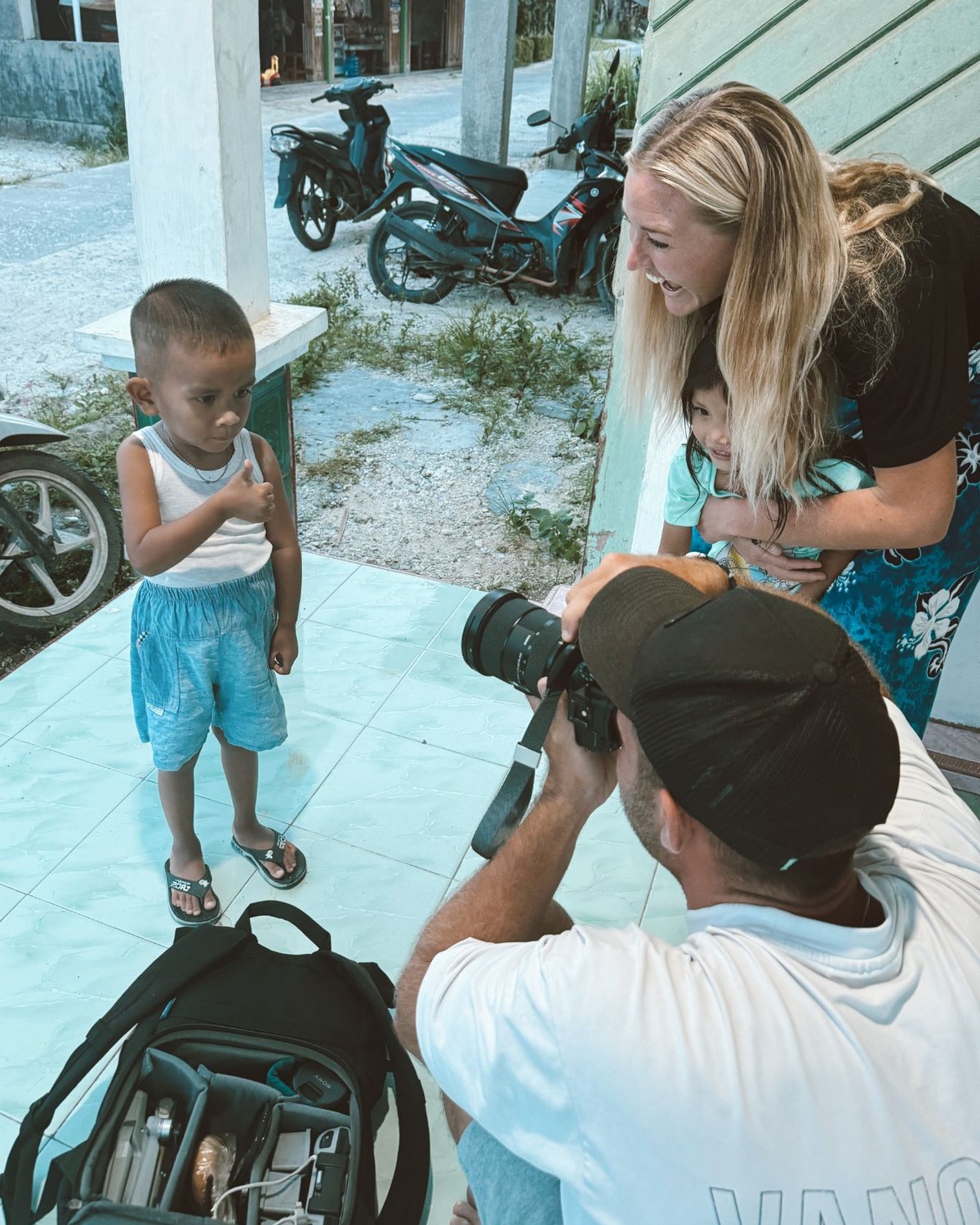
Finding the Mentawai IslandsHow I ended up in the Mentawais
Four years into sobriety, I wanted to see more of the world than the inside of my own head. I got on a plane to Asia and kept going, through Indonesia and out to the Mentawai Islands. Jungle, reef and a lot of ocean.
That’s where I met the owners of Favela. I started helping out at Our Ocean School, which teaches local kids English, swimming and surfing.
It was quiet in a way I’d never known. Nowhere to be, nothing to chase. The days ran on the tide and the weather, and after a while, so did I. I’d spent most of my life looking for a way to feel present. Out there, it just turned up.
The people stayed with me most. Families with very little, more grateful for what they had than anyone I’d met back home. I hadn’t seen that before, and it’s never left me.
That’s why NAWA is there.
The Recovery ClubTalking about recovery with 116,000 people.
Alongside the one-to-one work, I started The Recovery Club on Instagram. It began as somewhere to be honest about recovery, including the messy parts nobody puts in a highlight reel.
It’s grown into one of the bigger sobriety communities on social media. 116,000 people follow it now, and our posts have been viewed millions of times around the world.
What it’s really shown me is how many people are struggling quietly. People who’ve never told anyone. People years sober who still feel stuck. Families who don’t know what to do next. Those conversations shaped a lot of what NAWA is.
What I’ve learned about addictionIt was never the substance. It was the why.
I wanted to understand addiction properly, not just my own. That curiosity became my work. I’ve spent years working professionally in this field: in residential rehabs around the world, on detox units that are hard places to be, and helping build addiction nonprofits in remote places that now run themselves. I’ve sat with people living with a whole range of mental illness. I don’t have a clinical title, and I’m not here to diagnose anyone. What I have is a lot of hours in the room, and my own story.
Slowly, one thing became hard to ignore, in my own life and in the people around me. So much of the focus went on the behaviour and the substance. The drink, the drugs, the gambling, the overworking: to me it’s all the same thing, and none of it was ever really the problem. The problem was whatever it was being used to quiet.
Carl Jung changed how I saw all of it. I went deep into his work, and into the idea that we’re all, in one way or another, looking for an escape from ourselves. Gabor Maté asks what pain sits underneath an addiction, instead of what’s wrong with the person. Looking at my own life through that lens meant facing things I’d avoided for years, including the masks I’d worn for as long as I can remember (I wrote about that in the social chameleon), and it wasn’t comfortable. But when I finally confronted that pain, I could take on life, push through fear and learn to handle my own nervous system. That has been the foundation of my recovery, and it’s why I believe each person has to find their own way to it.
A lot of it comes back to the nervous system. I think most people are living in fight or flight and have no idea. Tight chest, short fuse, can’t switch off, can’t sit still. It’s been that way for so long it feels normal. In the West we’ve got very good at building: careers, houses, reputations. We’ve got much worse at being with ourselves. A substance becomes the quickest way down.
You can’t do deep work with someone whose body still thinks it’s under threat. The nervous system needs room to settle first, and what that looks like is different for everyone. For one person it’s the ocean. For another it’s sleep, a hard conversation, or simply a slower day.
That’s the thinking NAWA is built on.
Why I’m building NAWARoom for the work, and room for the person doing it.
I know how valuable therapeutic support can be. I also know how intimidating a recovery setting can feel when you arrive carrying fear and shame, because I’ve been that person. And I’ll be honest: I’m tired of seeing one-size-fits-all approaches, where someone is told the programme is right for them and, if it isn’t working, they aren’t working hard enough. Plenty of people in treatment do excellent work, and for some a clinical setting is exactly the right place to start.
But I wanted to build something different: space for each person to find out what they’ve been running from, in the stillness and nature the island offers. It’s why we talk about calm first, then the work.
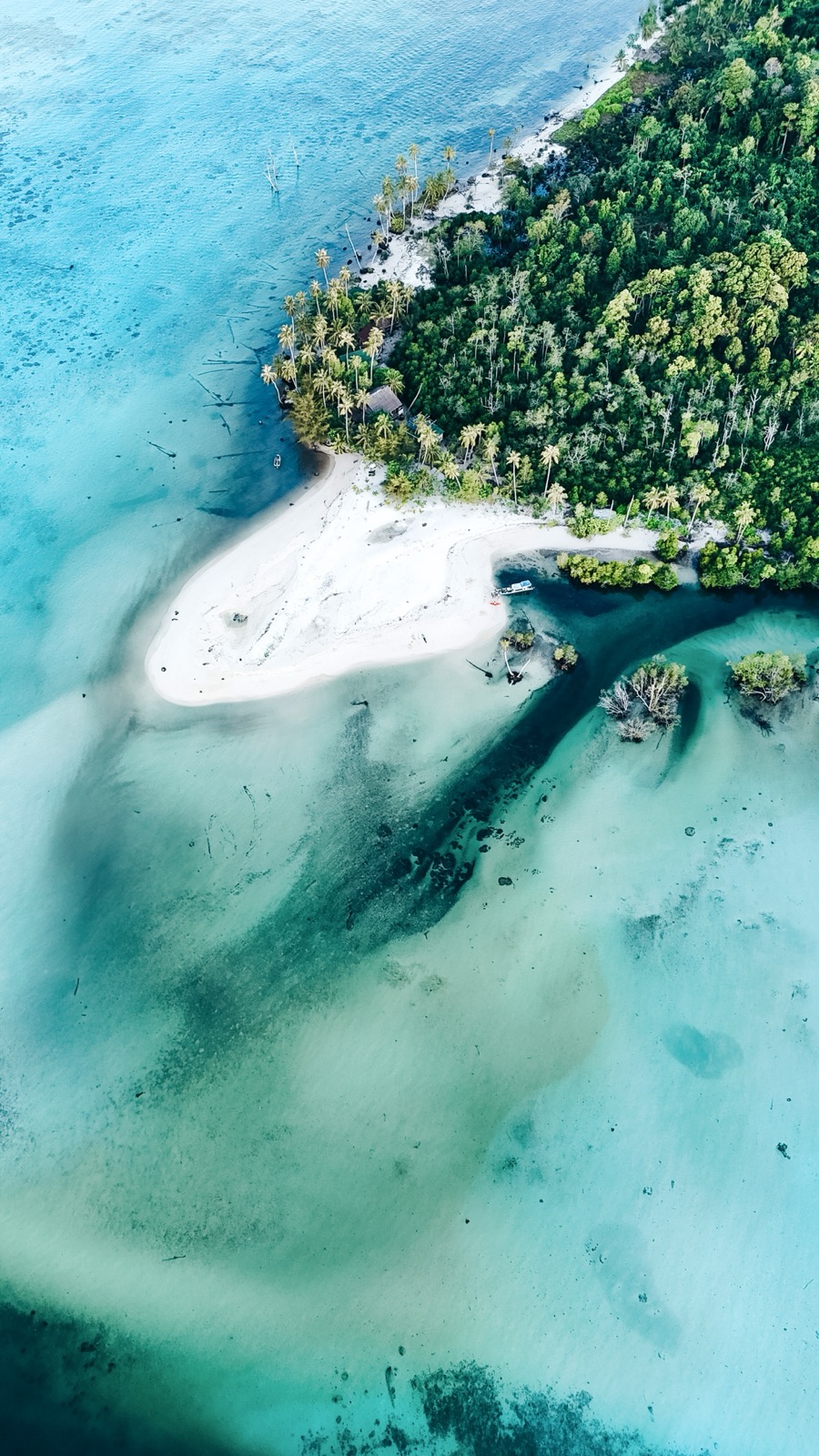
NAWA is four weeks on Awera Island, in Indonesia’s Mentawai Islands, hosted at Favela Mentawai. There are four guests at a time, never more, so nobody gets lost in a group and there’s real time for each person. The days follow a steady rhythm: one-to-ones, small group sessions and peer support from people who’ve been through it themselves, with clinical support alongside. NAWA doesn’t provide medical detox and it isn’t a replacement for medical care. If someone needs a detox, that happens before they arrive, and we’ll always be honest about whether NAWA is the right fit. See how the four weeks work.
Movement, surfing and the oceanNone of it is a test.
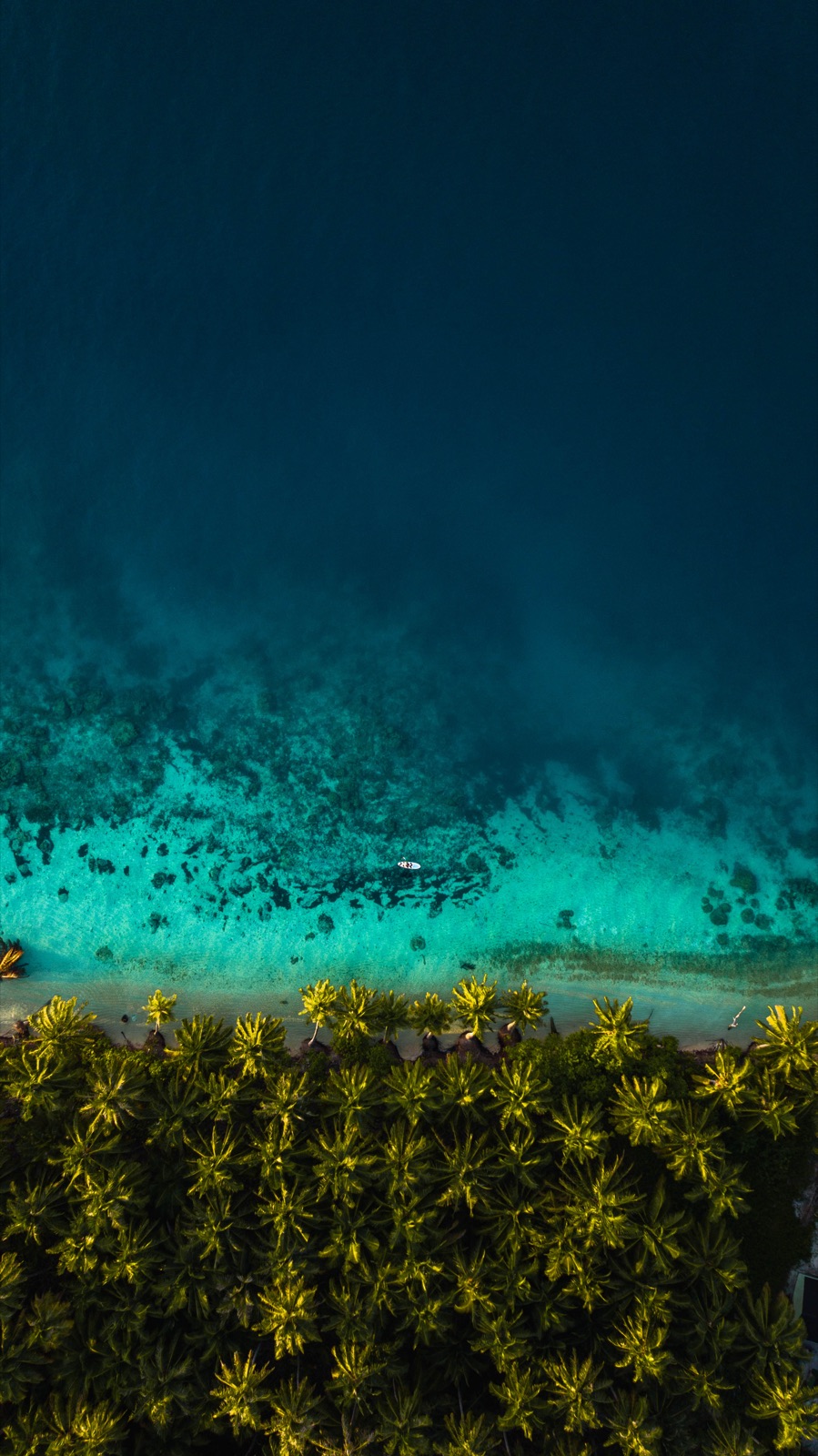
Fitness and nutrition helped me rebuild my own life, so movement was always going to matter at NAWA. Here, though, it’s less about training and more about rediscovering enjoyment: being in the water, learning something new, paying attention to what’s happening around you.
The ocean asks you to be present. It’s hard to be anywhere else when you’re in it. My hope is that guests reconnect with that feeling: the joy of moving, the power of the water, and moments when they can simply be where they are.
Surfing is always optional and open to every level, and some of the best time by the ocean is spent sitting next to it. More about the ocean at NAWA.
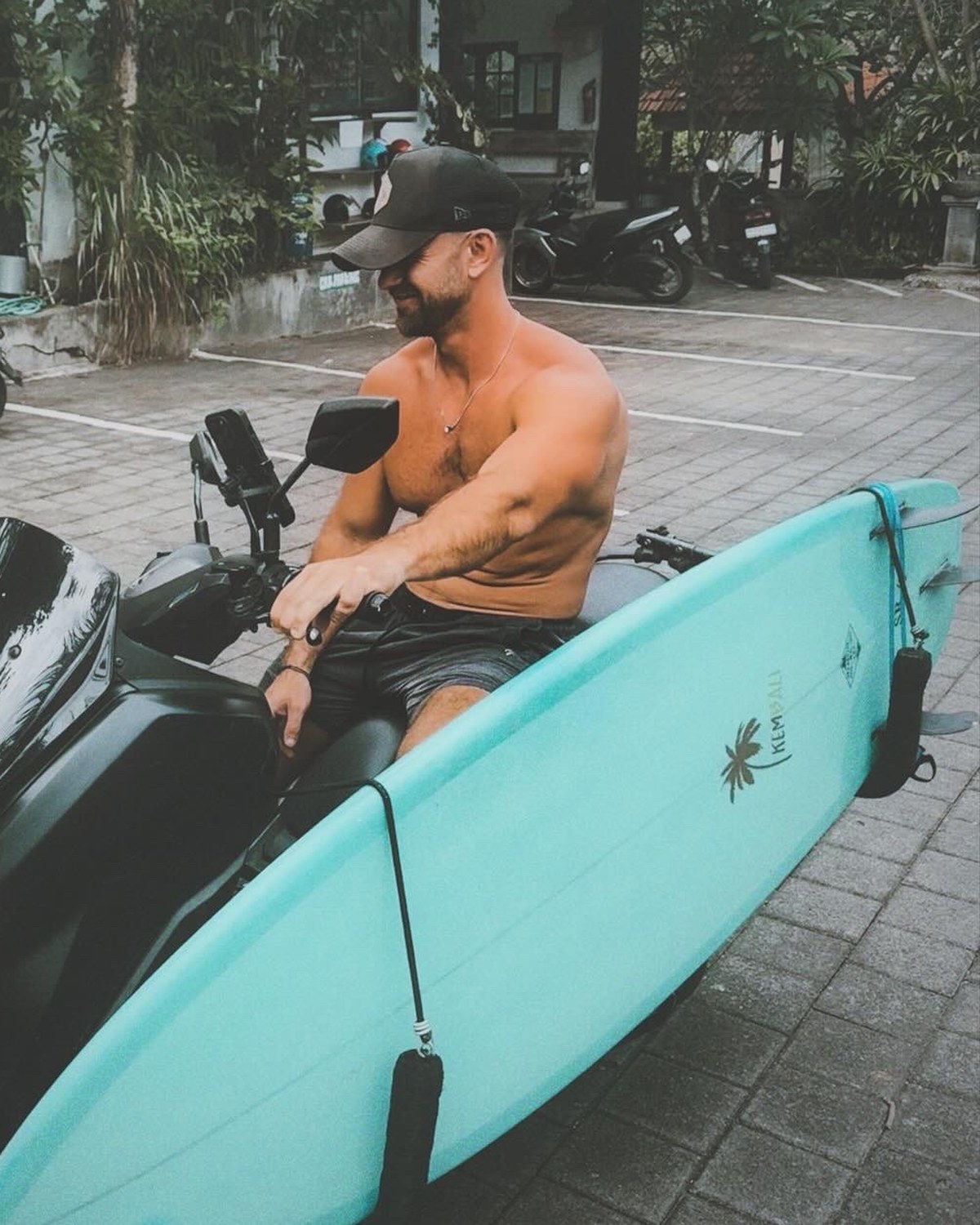
Meet the NAWA teamThe team around you
Small by design. Four guests, and the same faces every day, with medical support a call away.
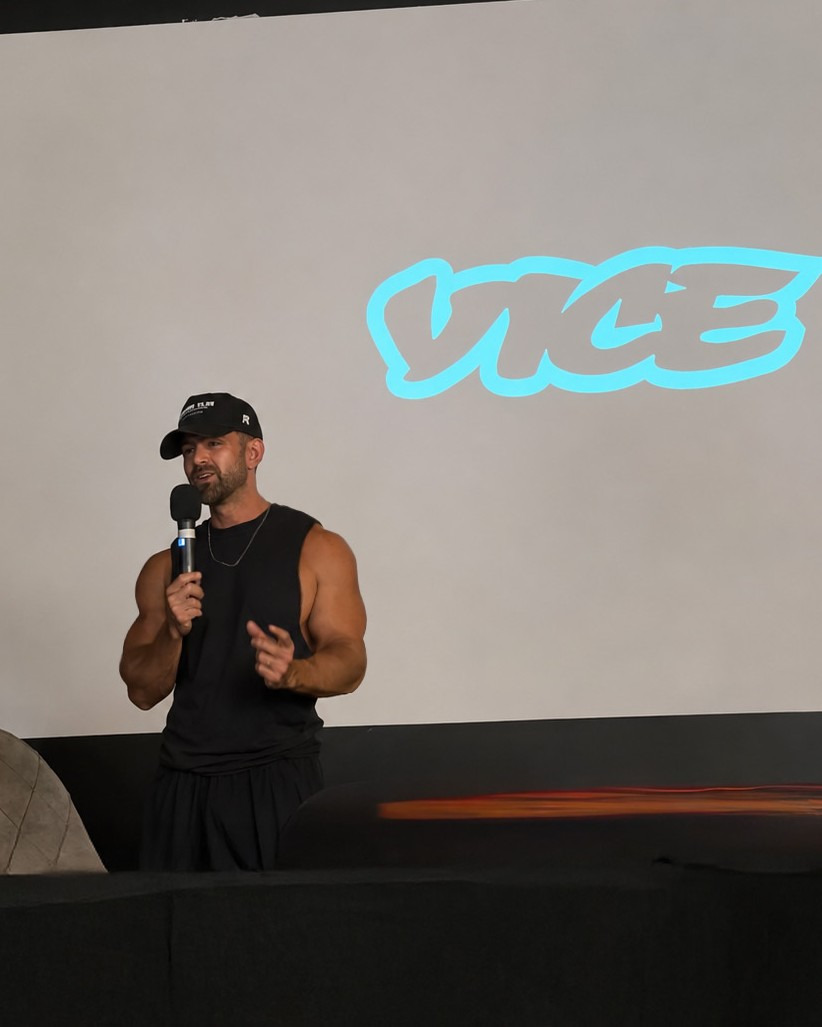
Rick, founder
I’m coming up to ten years sober, and I’ll be on the island with the group throughout the month, as part of a small team. I’ve worked in this field for years, and what I bring is that experience together with my own: I know what it’s like to be on the other side of that first conversation, scared and unsure whether anything will help. I don’t have every answer, and I won’t pretend to. What I can offer is honesty, and a place built around the things that helped me.
Peer support
Alongside me for the whole month, with lived experience of recovery. For the moments between the scheduled work, which is often where the real conversations happen.
Registered nurse
An Indonesian registered nurse, on call day and night and a short boat ride away, with regular health checks for every guest.
Consulting psychiatrist
A Bali-based psychiatrist with experience in addiction medicine, providing medical oversight by video each week.
Your therapy
If you already have a therapist, your weekly sessions carry on from the island. If you don’t, we connect you with ours.
Favela Mentawai
The resort that owns and runs NAWA, and our home for the month. Their team looks after your room, the kitchen and the boats, and knows these waters better than anyone.
Our Bali base
The team is based in Bali. Meet us there before the retreat and fly to Padang together, or one of us meets you at Padang airport.
Questions about NAWA’s founder and teamQuestions
Who founded NAWA Sober Retreats?
NAWA was founded by Rick. Rick is coming up to ten years sober, has worked professionally in addiction recovery for years, in residential rehabs, detox units and community nonprofits around the world, and runs The Recovery Club, a sobriety community of 116,000 people on Instagram.
What does Rick do at NAWA?
Rick is on Awera Island with the group throughout the month, as part of a small team. He brings years of professional experience in addiction recovery and his own lived experience, alongside a registered nurse on call nearby, a consulting psychiatrist and weekly therapy online.
Who is on the NAWA team?
On the island: Rick, a peer support worker with lived experience and the Favela Mentawai team who run the lodge. Nearby: a registered nurse, on call day and night. Online: a Bali-based consulting psychiatrist and weekly therapy, either with your own therapist or ours.
Where is the NAWA team based?
The team is based in Bali. The retreat itself takes place on Awera Island in the Mentawai Islands, off West Sumatra. You can meet the team in Bali and fly to Padang together, or be met at Padang airport.
What is NAWA's approach to addiction?
NAWA sees the substance or behaviour as a way of coping, not the root problem. The first step is giving the nervous system room to settle. Then comes the deeper work on why. We call it calm first, then the work.
How do I talk to the NAWA team?
Message us on WhatsApp on +62 851 9075 3013, book a free call, or email hello@nawarecovery.com. It's a confidential, no-pressure conversation about where you're at and whether NAWA is the right fit.
It starts with a conversation.
If you’re wondering whether NAWA might be right for you, or for someone you care about, talk to me. No pressure and no sales pitch, just an honest conversation about where you’re at and whether this is the right fit. You might also find answers in our questions.
Rick, founder of NAWA
or email hello@nawarecovery.com