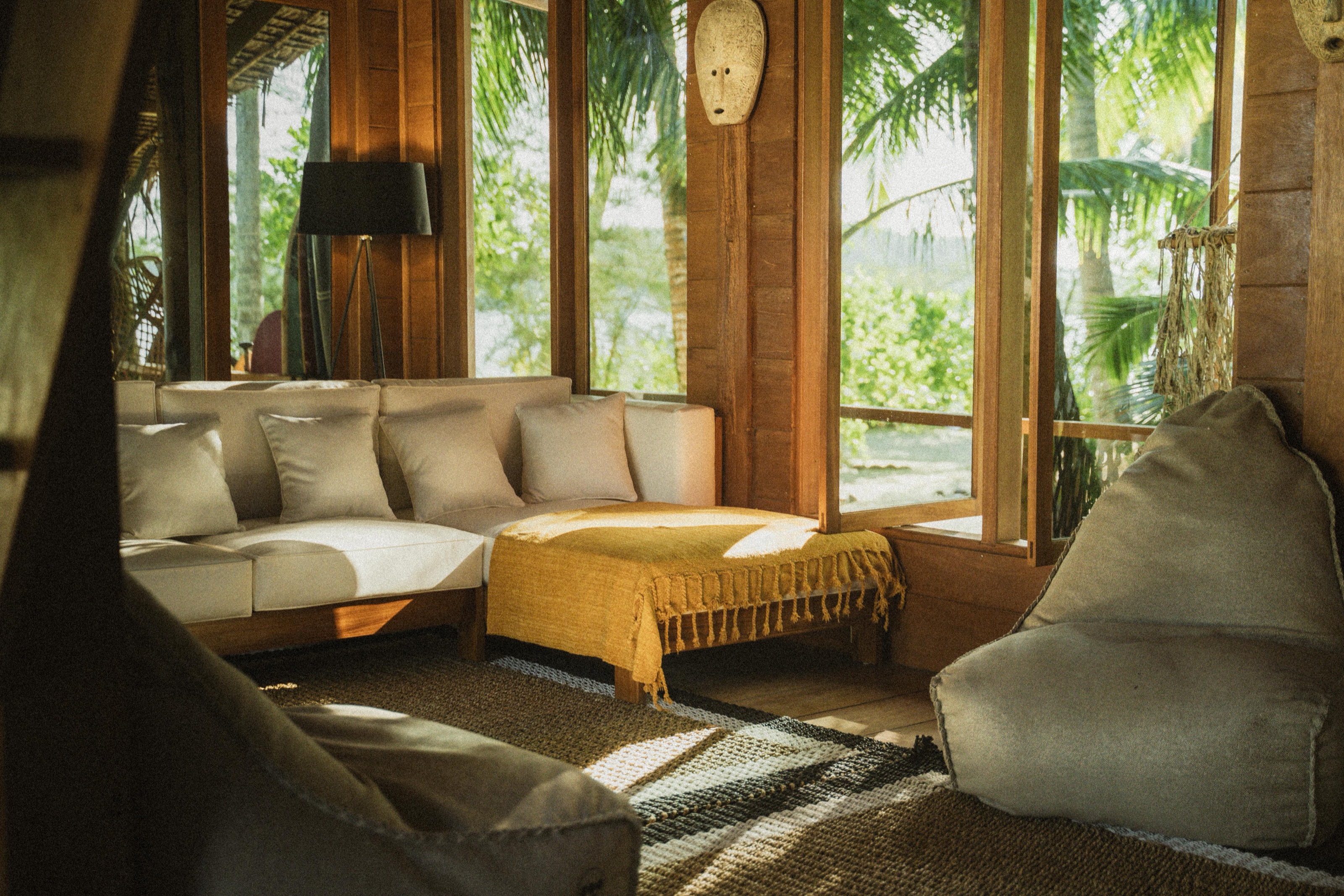
The lodge lounge on Awera Island, with open windows to the jungle

Four weeks · Awera Island

The programme

The programme

Four weeks.
The same rhythm, every day.

Peer support, group education, one-to-one sessions, daily CBT practice and physical activity, in a structure that holds — not confines. Anyone with a physical dependency completes detox before arriving.

Can I still work? →
Week 01

Land and stabilise.

Let the nervous system slow down. Routine comes in gently. The group starts to form. No pressure to go deep yet. The island, the ocean and the rhythm do the work.

ArrivingStabilisationDaily practice
Week 02

Go inward.

With trust established, the depth increases. Group education begins. One-to-one work goes deeper. The week culminates in the Tribe Experience.

EducationDeeper sessionsPatterns
Week 03

The core.

The deepest week. Sessions move into harder territory: trauma, inner child, shame, identity. Physical activity stays essential — as regulation, not as an add-on.

TraumaIdentityFamily
Week 04

Integrate and prepare.

The work doesn’t end on the island — it begins here. Insight becomes tools. Tools become commitments. A closing reflection ends the month with intention.

ReintegrationValuesAftercare
Before you arrive

We start with a screening call to understand where you're at. If you need a medical detox, that happens before the island. We can help arrange it in your home country or refer you to a supervised clinic on the mainland. Once you're medically cleared, you're ready to come.

Group and 1:1 education

Six threads,
across the month.

Group sessions run for 60 to 75 minutes, four times a week, and the same threads carry into your one-to-one sessions every day. You get straight information about what's going on, and practical ways to use it.

01What's actually keeping it going.Sobriety and recovery
  • What addiction is: the neuroscience
  • The sober brain: what to expect, and when
  • Triggers, cravings, the window of tolerance
  • Relapse as information, not failure
02Where it lives in the body.Trauma and the nervous system
  • How trauma lives in the body
  • Regulated, hyper, hypo: knowing your states
  • Freeze, fight, flight: your patterns
  • Somatic awareness basics
03Who you were before the coping.Inner child and identity
  • Who you were before the coping mechanisms
  • The roles we play: achiever, caretaker, rebel
  • Reparenting: what it means and how to start
  • Shame versus guilt, and why it matters
04The patterns you keep repeating.Relationships and boundaries
  • Attachment styles and why they keep showing up
  • Boundaries as love, not walls
  • Co-dependency and high-achieving relationships
  • Family systems: the patterns you came from
05The mechanics of changing your thinking.Practical tools
  • Thought records: catching the automatic
  • Core beliefs: where they came from
  • Behavioural activation: why doing precedes feeling
  • Building your relapse-prevention plan
06What you're going back to.Purpose and reintegration
  • Values: what you care about versus what you chased
  • Identity beyond achievement
  • What a good life looks like now
  • Aftercare: the first 60 days after you leave

A typical day

A structured day,
with room to breathe.

Therapy

Your own therapy continues.

One hour a week on Zoom with your therapist, exactly as normal. No therapist? We connect you with ours.

Family

Family calls, as needed.

Facilitated calls, kept focused. They only happen when they're likely to help.

Community

Volunteering at the local school.

Once or twice a week from week two.

  1. Meditation and breathwork
  2. Ice bath (optional, but worth it)
  3. Health checks on regular nurse visits
  4. Breakfast
  5. Morning group check-in
  6. Guided journaling and self-reflection
  7. Lunch
  8. Ocean activity
  9. One-to-one session
  10. Group education, four days a week
  11. Free time: gym, a walk, or rest
  12. Group dinner
  13. Evening reflection and wind-down

Signature experiences

Leave everything.
Including the retreat.

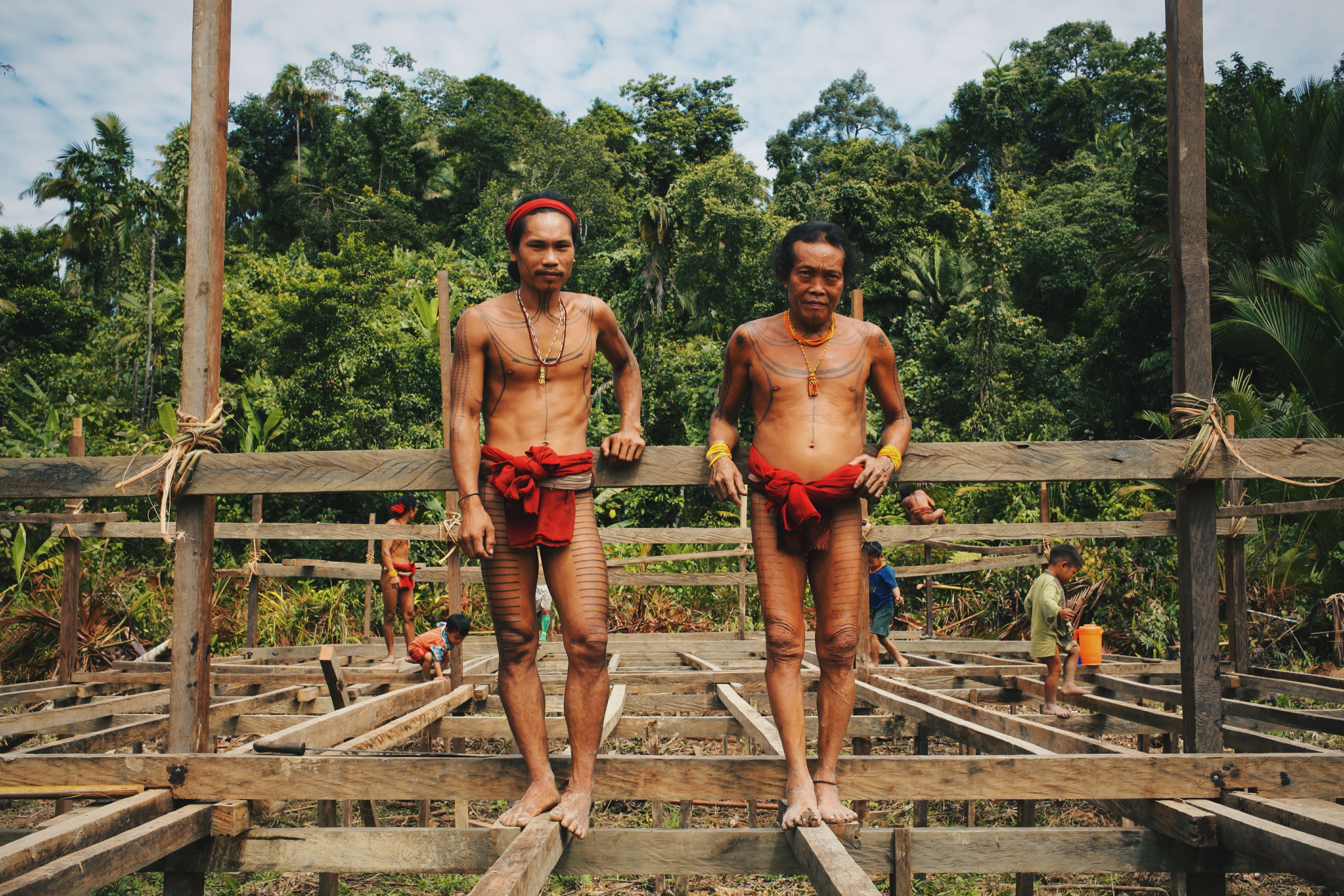
Two Mentawai men standing on a wooden platform in the jungleThree days · Optional

The Tribe Experience.

Three days. No phones. No internet. A completely different way of existing. During weeks two and three, you leave the resort entirely to stay with an off-grid Mentawai community.

This is not a gap in the programme. It is the programme. The contrast opens one question no session can replicate: what do I actually need?
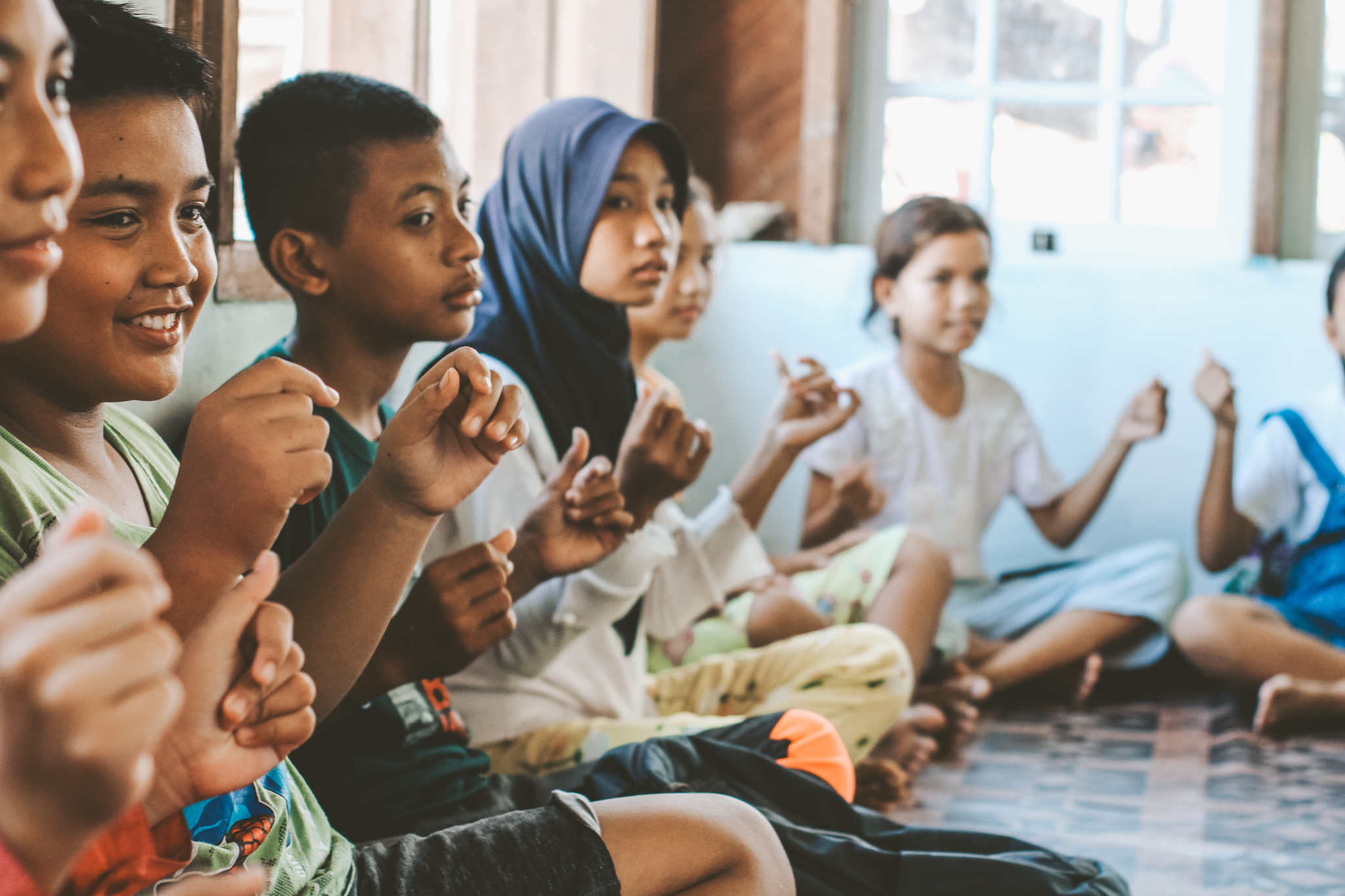
Local children laughing during an Ocean School lesson in the Mentawai IslandsWeekly · From week two

Getting out of self.

You spend time at Ocean School, a local non-profit that teaches local kids English, swimming, surfing and lifesaving. It's ordinary, useful work.

A lot of high achievers spend years focused on themselves, often just to get by. Helping out with nothing in return is part of recovery.

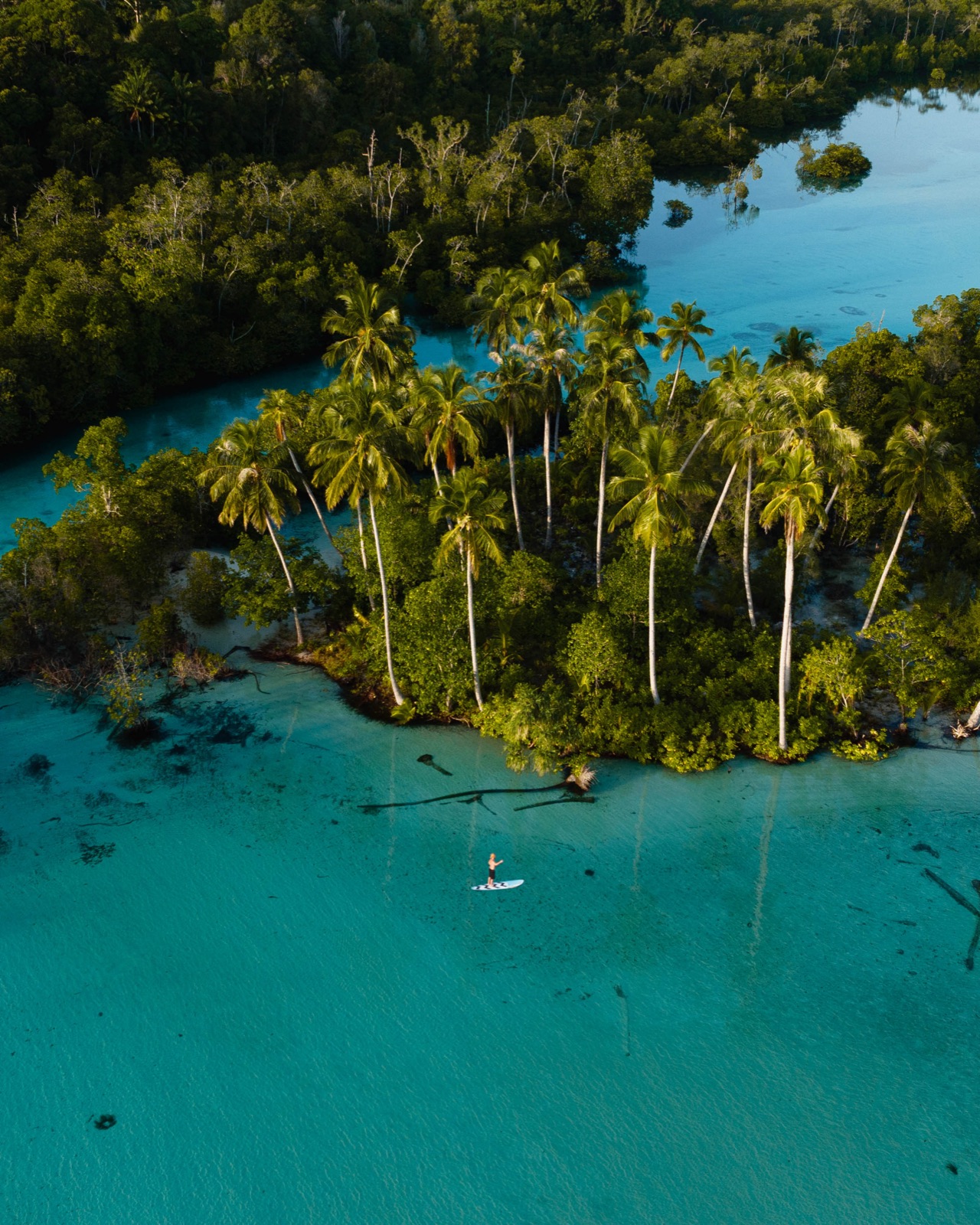
Paddleboarder gliding past a palm-covered island

Body and practice

The ocean is nervous-system medicine.

Everything physical here is part of the programme. It's good for your body, and it helps steady your nervous system.

2–3× a weekSurfingHard work, and a lot of fun
DailyPaddleboardingCalm time on the water
WeeklySnorkellingThe reef, up close
DailyGymStructure and energy
MorningsIce bathA short, cold reset
MorningsMeditationSitting still
MorningsBreathworkWorking through emotion
Any timeNature walksTime to decompress
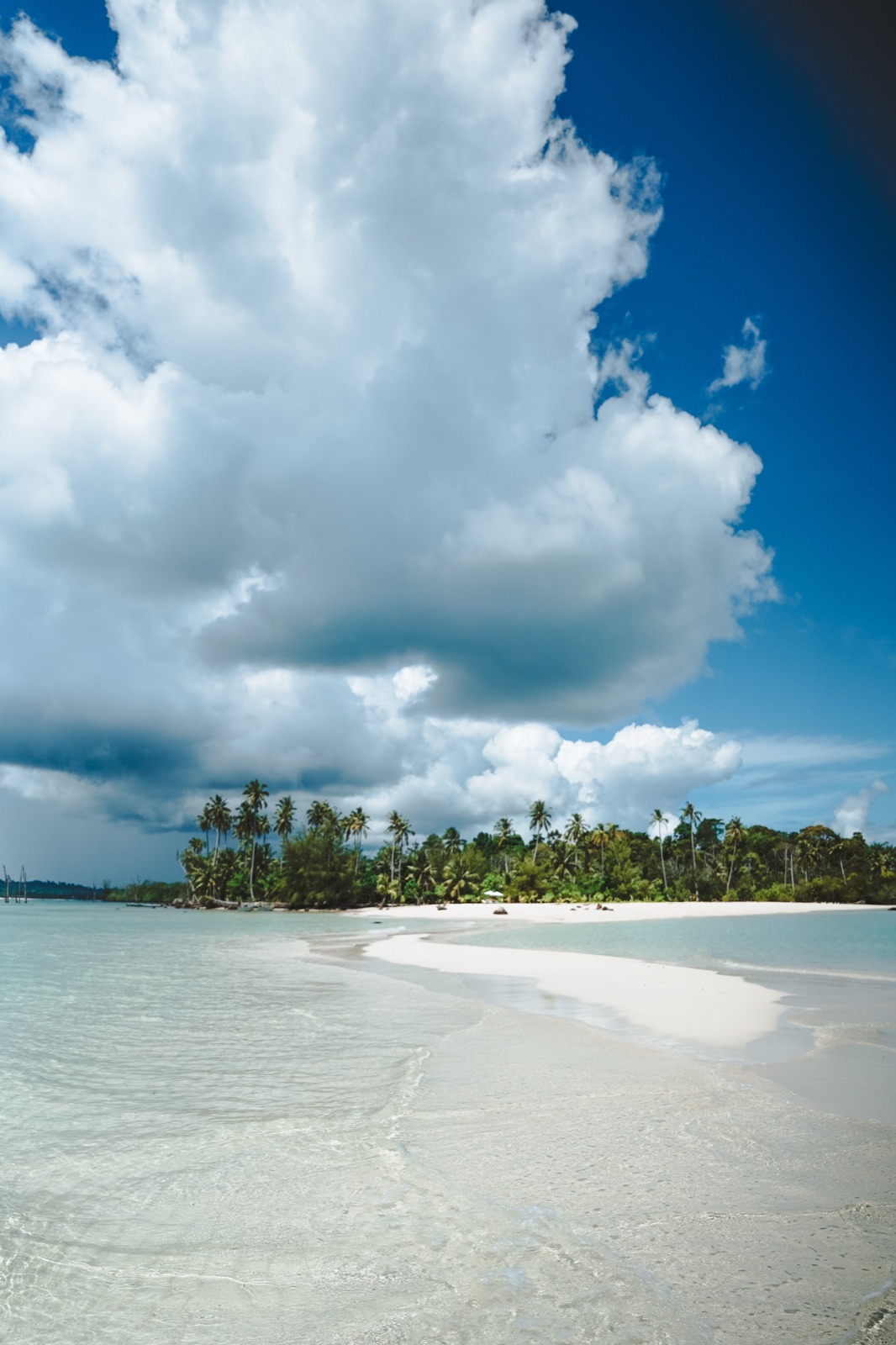
Big clouds over a white beach and palms
The beach
A paddleboarder crossing deep blue water above the Mentawai reef
Morning paddle

After the island

The programme doesn’t end
on departure day.

The first 60 days home are the hardest. You leave the container and re-enter the world that was there before.

60

Days of check-ins.

Biweekly calls, group or individual, through the first stretch home.

1:1

Your therapy continues.

The relationship was never handed over, so nothing has to be rebuilt.

→

Local support.

In-person referral to AA, NA, SMART or a local therapist at home.

∞

Alumni community.

It starts once the first group finishes, so you stay in touch with people who've been through it with you.

NextApply →