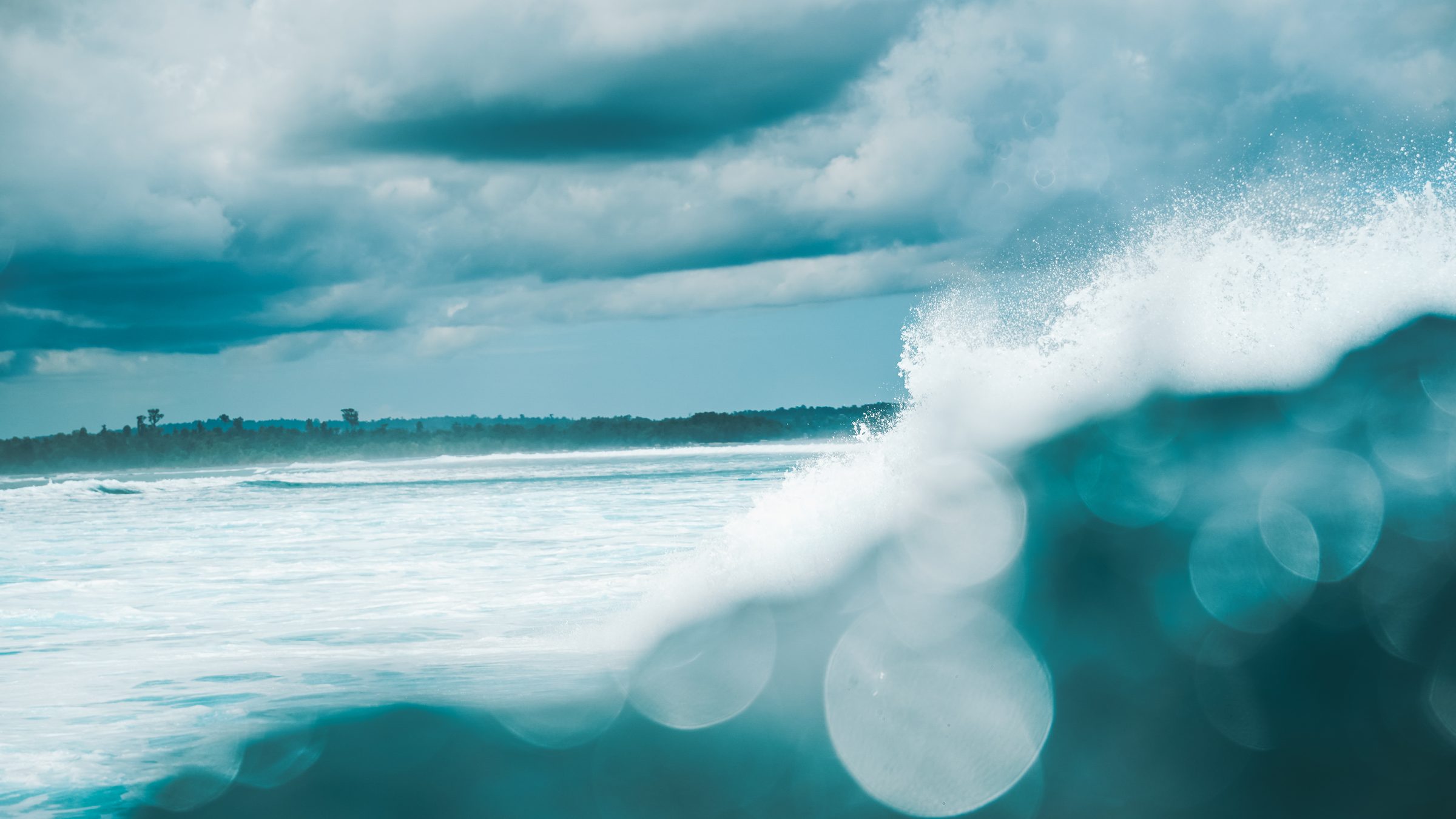
Surf culture
Surfing and addiction.
The same culture that gave us the purest feeling in the world has a long, quiet history with drink and drugs. If you surf, you’ve probably seen it. Some of us lived it.
Anyone who has spent time on a surf trip knows the rhythm. Dawn patrol, a long session, back to the boat or the bungalow, and then the rest of the day to fill. Beer is cheap. The sun is out. Somebody always has something. By the third night it feels normal, and by the second week the line between holiday and habit has gone.
That isn’t a criticism of surfers. It’s just honest. Surf culture grew up alongside a lot of things that numb, and it’s rarely talked about inside the culture itself.
For the record, I’m an amateur surfer, and I only took it up once I was sober. So I came to the ocean from the other direction to a lot of people reading this. I felt what it did for my nervous system straight away.
Where it comes from
Modern surf culture took shape in the 1960s and 70s, right alongside the counterculture. Surfing was rebellion: dropping out, chasing waves, living cheaply on the road. Drugs were part of that story from the start, and the image stuck. Even now, a lot of surf media sells a lifestyle that looks a lot like a party with waves in it.
Then there’s the travel. Surf trips put people in remote places with long gaps between sessions, no routine and plenty of money compared with the local economy. Contest circuits add pressure, sponsors, nightlife and young people with very little structure. It’s a lot to hold, especially for someone who was already using something to cope.
Andy Irons
The clearest example is also the saddest. Andy Irons won three world titles in a row between 2002 and 2004 and is still remembered as one of the most natural surfers ever to compete. He died in 2010, aged 32. In the 2018 documentary Andy Irons: Kissed by God, his family spoke openly about what the surf world had mostly kept quiet: his bipolar disorder, years of self-medicating, and an addiction that people around him knew about but rarely named.
What hits hardest in his story is how normal it all looked from the outside, and how long the people who loved him felt they couldn’t say anything. Plenty of surfers will recognise that.
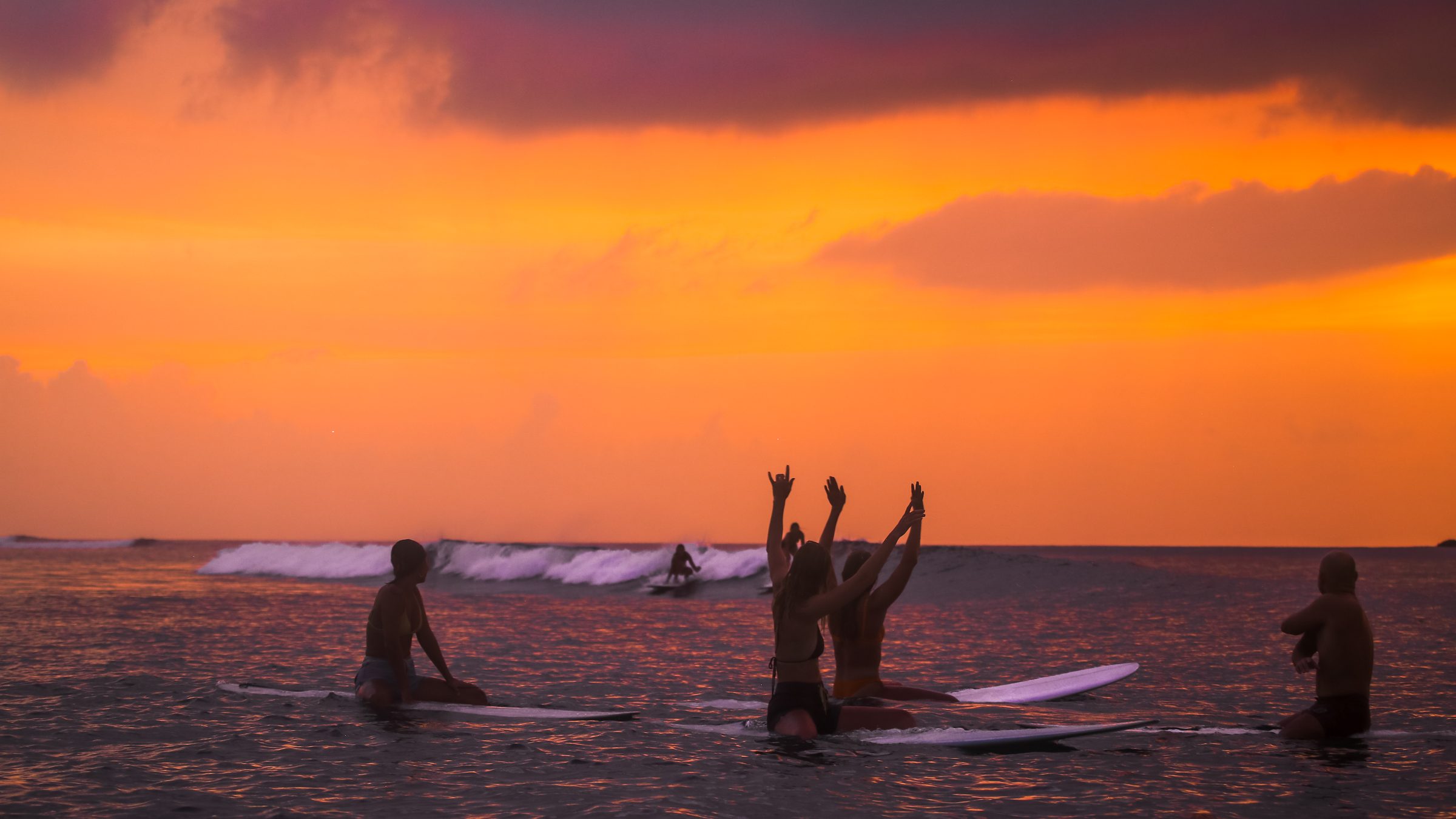
Why surfers are vulnerable
Surfing is built on a chase. You wait, you paddle, and for a few seconds everything goes quiet and your whole body lights up. Then it’s gone, and you want it again. For a nervous system that’s always looking for the next hit, that pattern is familiar.
Flat days, injuries and the end of a trip can leave a gap that’s very easy to fill with something else. A lot of surfers say the hardest part of getting sober wasn’t giving up the drink. It was the hours in between the waves.
And there’s identity. If your whole social life is the lineup and the bar after, stopping can feel like losing your tribe as well as your crutch.
Ego in the lineup
Being a beginner in the water isn’t always easy. Surfing has a whole culture of rules and etiquette, and some of it is there for good reason, because it keeps people safe. But when I was starting out, I sometimes paddled into an atmosphere that felt openly hostile. Not from everyone, far from it. But there were people who made it very clear beginners weren’t welcome.
I didn’t take it personally. Years of working on myself meant I could recognise what I was looking at: a desperate need for something outside you to go exactly the way you want it to. I’d lived like that for most of my life.
I’ve spent months in the Telo Islands in Sumatra with friends who are brilliant surfers, and I saw how much the conditions decided everyone’s mood. Good waves, and the whole place was buzzing. The wrong swell, and the frustration followed people out of the water and into the evening. People who had flown halfway round the world to somewhere most surfers only dream about, struggling to enjoy it because the waves weren’t quite right.
The perfect wave was always somewhere ahead. And when it didn’t come, neither did the happiness.
I’m not saying surfing is an addiction in the clinical sense. But needing the next experience to feel okay about yourself is a pattern I know very well.
When surfing becomes who you are
Through my work, I’ve met surfers for whom the ocean had stopped being the answer. Injury, age, fear, or simply losing ability had started to take away the thing they’d built their whole identity on. For some, that loss got tangled up with drinking and their mental health.
The hardest part of that work usually wasn’t getting someone back on a board. It was helping them work out who they were without it.
I remember a man in the Mentawais who had spent around twenty years surrounded by world-class waves, and paddling out had started to frighten him. The thing that once gave him so much freedom had turned into pressure.
So here are some honest questions for anyone who surfs. Can you still enjoy the water when it’s terrible? Can you accept that your ability will change? Can you watch someone else get the wave you wanted without feeling robbed? Can you be a beginner again?
Healing doesn’t mean letting go of the old you. Sometimes it means building a new relationship with the old you.
The ocean is also the way back
There’s another side to this, and it’s the part I care about most. The same water can be one of the most powerful parts of recovery.
Sitting out there waiting for a wave, taking in where you are, slowly learning to read the ocean: for me it’s a form of meditation. You aren’t thinking about anything except the present moment. It’s natural dopamine, from natural forces the earth gives us. Honestly, it’s sensational. Just you, a board, and a group of good people cheering each other on to push themselves into a wave.
Waiting for a wave is a form of meditation. You’re not thinking about anything but right now.
And some waves humble you. They teach you that you aren’t in control. You can control some things, but sometimes the ocean has other plans for you. After years of trying to control how I felt, that was a lesson I needed.
I’ll be straight about the research, because it’s promising but still thin. A 2024 systematic review of surf therapy found only a handful of controlled trials, and said robust evidence for mental health benefits is still scarce (Carneiro et al., 2024). The wider evidence on time in nature is stronger. A study of nearly 20,000 people in England found those who spent at least two hours a week in nature were more likely to report good health and high wellbeing (White et al., 2019). We’ve written more about surfing and the nervous system if you want the detail.
Surf culture can be very drink-oriented. I’d watch people get smashed by waves all day and head straight for the beers. What I found in the water was different: a place where I didn’t have to perform, and nobody cared about my past. Looking back, the greatest gift sobriety gave me wasn’t only freedom from substances. It was presence.
Sober surfing is becoming its own culture too. Early sessions instead of late nights. Coffee instead of beer on the boat. People finding that a clear head makes them better in the water, not worse.
Surfing at NAWA
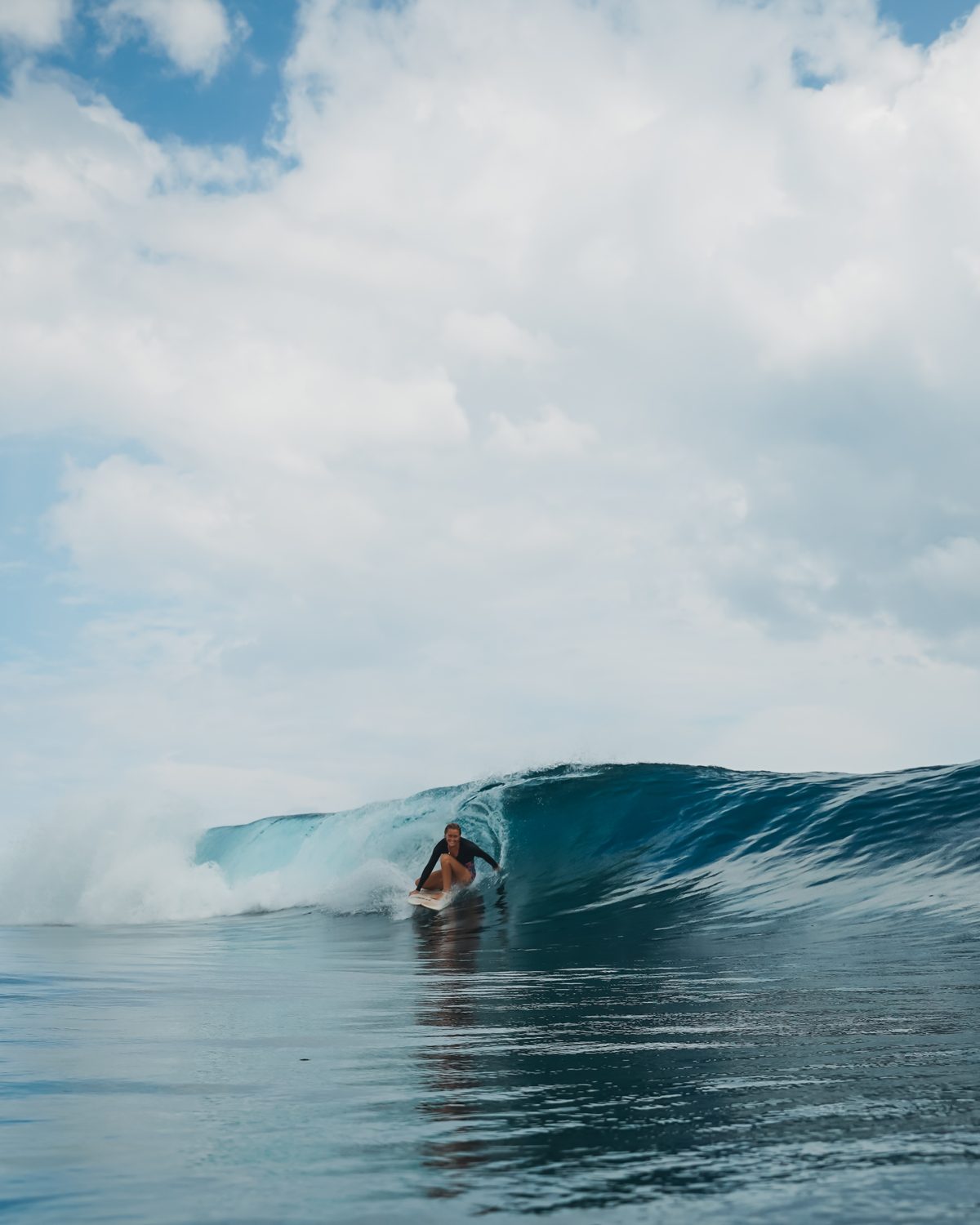
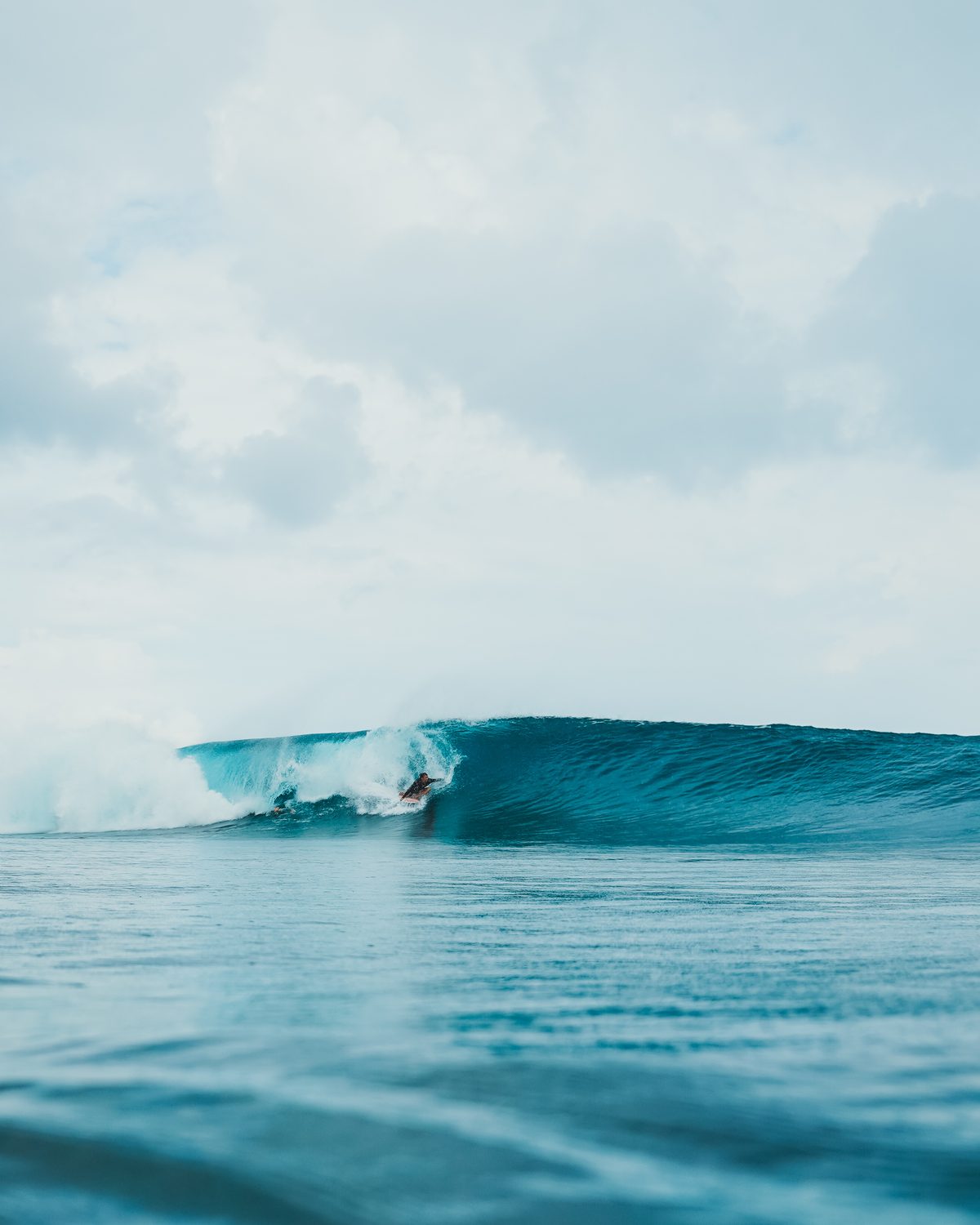
Awera Island sits in the Mentawai Islands, one of the most famous surf regions on earth. I didn’t choose it for the waves, though. We chose it because the ocean asks you to be present, and that’s where the deeper work starts.
Surfing is part of the month, a couple of times a week and always optional, with instructors in the water whatever your level. Safety comes first, every session. That isn’t negotiable for me. In February the waves are smaller and friendly. The rest of the time it’s paddleboarding, snorkelling, swimming and sitting still. No party afterwards. Just the island, a small group on the same path, and space to notice what the waves used to cover up.
If surfing and using have always gone together for you, it’s worth knowing they don’t have to. See how surf fits into the four weeks.
Sources
- Carneiro L et al. Surf therapy for people with mental health disorders: a systematic review of randomized and non-randomized controlled trials. BMC Complementary Medicine and Therapies, 2024.
- White MP et al. Spending at least 120 minutes a week in nature is associated with good health and wellbeing. Scientific Reports, 2019.
Questions
Why is drug and alcohol use common in surf culture?
Surf culture grew up alongside 1960s and 70s counterculture, and surf trips often combine remote places, long gaps between sessions, no routine and easy access to alcohol. For some people, that becomes a pattern.
What happened to Andy Irons?
Three-time world champion Andy Irons died in 2010, aged 32. The 2018 documentary Andy Irons: Kissed by God covers his bipolar disorder and his struggle with addiction.
Can surfing become an addiction?
Not in the clinical sense that alcohol or drugs can. But some surfers come to rely on the next good session to feel okay about themselves, and when injury, age or fear takes surfing away, the loss can hit hard, sometimes alongside drinking.
Can surfing help with addiction recovery?
Many people find time in the ocean calming and grounding, and surf therapy is an active area of research. It isn't a treatment on its own, but it can be a powerful part of recovery alongside proper support.
Is there surfing at NAWA?
Yes. Surfing is part of the month a couple of times a week, always optional, with instructors for every level. In February the waves are smaller and friendly.
Last updated 8 November 2026
More guides


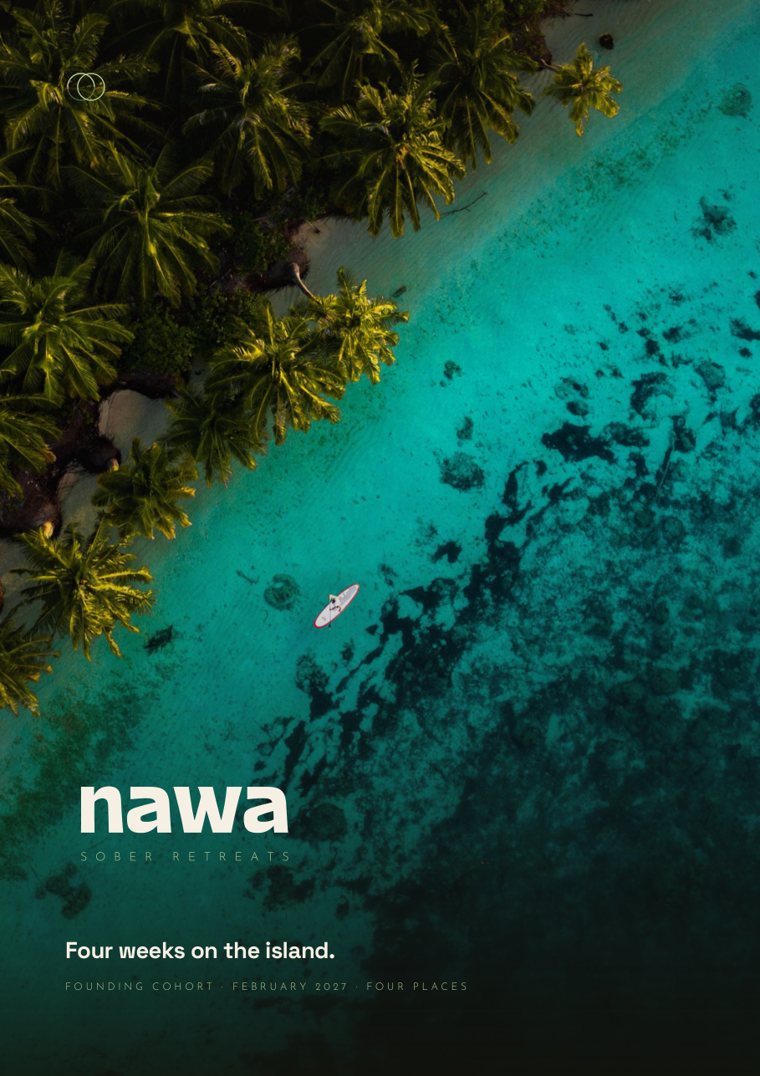
Free PDF guide · 17 pages
Download the programme guide.
Read it first, in your own time: Rick’s story, the island, the four weeks, surf, what’s included and who it’s for. Pop your email in and the download opens straight away. No call, no pressure.
It starts with a conversation.
Book a free call →A private, confidential call with Rick himself. Just a relaxed, honest chat about where you’re at.
or email hello@nawarecovery.com · WhatsApp +62 851 9075 3013